
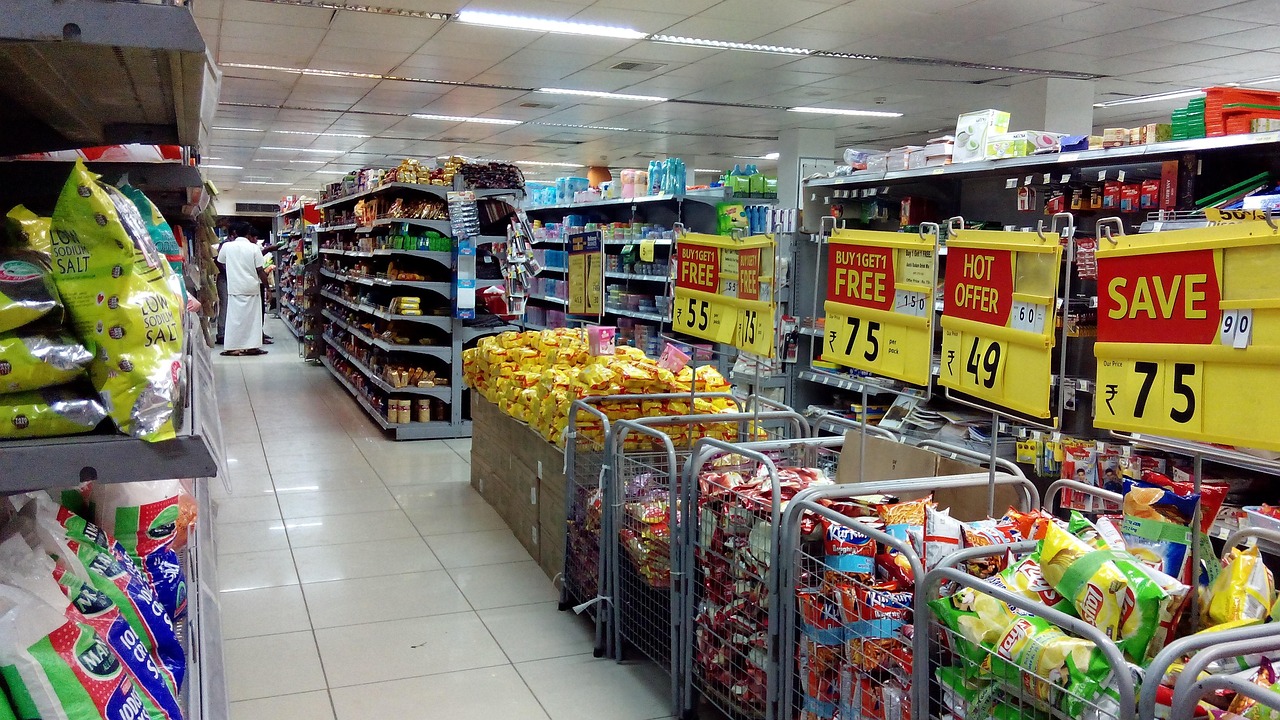
As we navigate the supermarket aisles in mid-2026, a quiet revolution is happening in our shopping carts. Millions of shoppers no longer just look at price tags; instead, they are scanning barcodes with their smartphones. They are using food tracking apps to instantly decide if a product is safe and nutritious. But does this constant scanning actually lead to a healthier diet, or does it just add stress to our daily grocery trips?
What Happened
The use of mobile software to check grocery ingredients has grown rapidly over the last few years. One of the most popular tools is Yuka, an app created in France that now has over 85 million users worldwide. The United States has become its biggest market, with 28 million people downloading the app to check their food.
These mobile tools use a simple color-coded system to rate products. When a user scans a barcode, the app displays a color: green means the item is excellent, while red warns of high sugar, unhealthy fats, or risky additives.
Other systems, like France’s government-backed Nutri-Score, also help shoppers grade their purchases. However, because some large food brands choose not to display official government scores, private barcode scanners have stepped in to fill the gaps.
Why It Matters
Many consumers want to avoid ultra-processed foods that contain harmful chemicals. For example, some common additives can cause kidney or bone issues if people eat too much of them. By scanning items, shoppers can quickly spot these hidden ingredients.
However, using these tools is not always easy. Some parents find that scanning every single box makes grocery trips take much longer. In addition, the healthier options recommended by these programs are often organic, which can make grocery bills much higher.
Experts also point out that these technologies do not reach everyone. Research shows that wealthy shoppers use food tracking apps much more than lower-income families. Sadly, those with less money are often at a higher risk for health problems related to poor nutrition.
Market Impact
This shift in consumer behavior is forcing major food brands to change how they make products. Large supermarket chains are feeling the pressure as customers refuse to buy products with poor ratings. In fact, a recent survey showed that 94% of app users will put an item back on the shelf if it gets a red score.
To keep their customers, major European supermarkets like Intermarché have reformulated thousands of their own-brand recipes. They have successfully removed hundreds of artificial additives to improve their scores.
This trend is reshaping the grocery market. Food companies that do not clean up their ingredients risk losing significant market share to healthier rivals.
What Investors Are Watching
People who watch the food and tech markets are paying close attention to how these platforms make money. For instance, companies like Yuka remain profitable without selling ads or taking money from food brands to change ratings. Instead, they rely on a small percentage of loyal users who pay for premium features.
Furthermore, watchers are tracking whether governments will make front-of-pack nutrition labels mandatory for all companies. If governments force food brands to show clear health warnings, the power of independent scanning tools could grow even more.
Investors are also looking at how health-tech startups might partner with grocery delivery platforms to automatically filter out low-scoring foods during online shopping.
Conclusion
Ultimately, technology has given shoppers more power than ever before. While food tracking apps might make grocery trips longer and more expensive, they are successfully pushing the food industry to become cleaner. If you want to maintain a healthier diet, these digital tools can be a helpful guide, but they are just one piece of a much larger puzzle.
Frequently Asked Questions
How do food tracking apps work?
These apps let you scan the barcode of a food item using your smartphone camera. The app then checks its database to give the product a score based on its sugar, fat, salt, and additive content.
Are these scanning tools free to use?
Yes, most of these apps are free to download and offer basic scanning features. Some apps offer paid premium versions that give users extra features, like offline mode or personalized diet alerts.
Do food companies really change their recipes because of these apps?
Yes, some large supermarket chains have changed thousands of their recipes to remove bad additives. They do this because they know shoppers will not buy products that receive low ratings on popular apps.
Can anyone use these apps to get healthier?
While anyone can download them, experts note that wealthier shoppers use them the most. People on tight budgets may find it harder to use them because recommended healthier alternatives are often more expensive.