The cost of energy is changing fast. As of the July 2026 market session, geopolitical tension in the Middle East has pushed oil to its highest level in over a month. These events are making waves across the global economy. Everyday consumers and market experts are watching closely as shipping lanes face growing threats.
What Happened
The sudden jump in global oil prices comes after a series of military conflicts in the Middle East. Overnight, United States forces launched airstrikes against targets in southern and western Iran. In response, Iran targeted U.S. military bases in Bahrain, Kuwait, and Jordan. One cargo vessel was also struck in the critical Strait of Hormuz.
Meanwhile, Houthi forces in Yemen announced a naval blockade against Saudi Arabia. This threat quickly created chaos for shipping companies. Two tankers carrying Saudi crude to Asia stopped and reversed course in the Red Sea. Instead of heading to China and India, the ships turned back toward the Suez Canal to avoid danger.
At the same time, oil transport in other parts of the world faced disruptions. The Caspian Pipeline Consortium stopped receiving oil from Kazakhstan after attacks on tankers at a Black Sea terminal. These events have made energy traders very nervous about the future of global fuel supplies.
Why It Matters
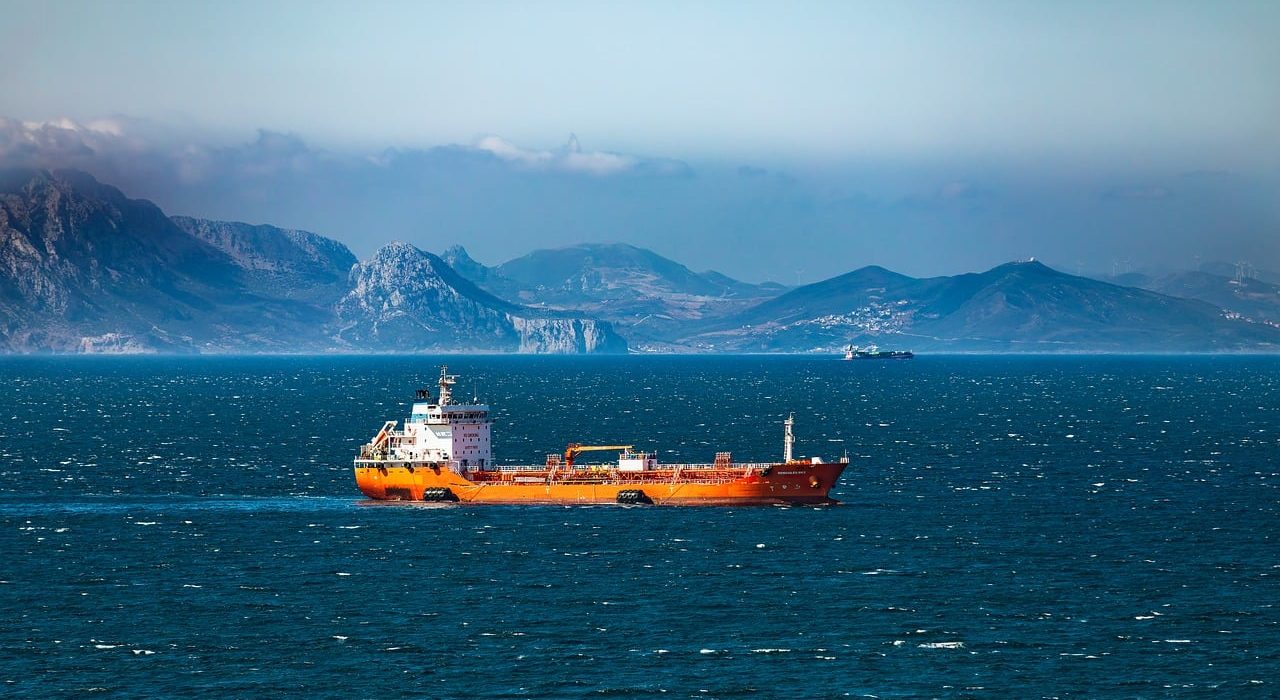
The Middle East is home to some of the most important trade routes in the world. The Strait of Hormuz and the Red Sea are narrow pathways that allow oil tankers to travel between continents. Millions of barrels of oil pass through these waters every single day. When these routes are blocked or threatened, it becomes much harder to transport fuel safely.
If shipping companies have to take longer routes to avoid conflict zones, travel costs go up. It also takes much longer for fuel to reach factories, power plants, and gas stations. These delays can lead to energy shortages in many countries. Therefore, any threat to these shipping lanes can cause the crude oil market to experience sudden price jumps.
Saudi Arabia is the world’s largest exporter of oil. Any event that threatens their ability to ship oil to major buyers like China and India is a major global issue. Even though Saudi ports are still operating normally for now, the threat of a blockade makes buyers very anxious.
Market Impact
These fears of shortages caused global oil prices to rise quickly. Brent crude oil futures, which are the international standard, jumped by 2% to settle at $91.01 per barrel. This is the highest closing price for Brent oil since early June. At the same time, U.S. West Texas Intermediate crude rose by 2% to settle at $84.91 per barrel.
This sudden price spike shows how sensitive the crude oil market is to political conflict. When traders fear that supply lines might break, they buy oil contracts to protect themselves. This increased buying activity pushes prices up for everyone.
Higher oil prices can have a domino effect on the global economy. When crude oil costs more, gasoline and diesel prices usually rise at the pump. This makes it more expensive for trucks, ships, and planes to transport goods. Over time, these rising transport costs can lead to higher prices for everyday items like food and clothing.
What Investors Are Watching
In the coming weeks, investors will keep a close eye on several key factors. First, they will watch for any signs of further military action between the U.S. and Iran. If the conflict escalates, it could lead to more serious energy supply disruptions.
Second, traders are waiting for official reports on oil stockpiles. The American Petroleum Institute and the U.S. Energy Information Administration are both releasing weekly storage data. Early estimates show that energy companies likely pulled about 500,000 barrels of oil out of storage. If supplies continue to fall, we could see global oil prices push even higher.
Finally, market experts are watching Saudi Arabian export numbers. Recent data shows that Saudi oil exports have already been falling for three straight months. If the Houthi blockade continues to threaten shipping lanes, those export numbers could drop even further, tightening global supply.
Conclusion
The recent rise in global oil prices to a five-week high highlights the fragile nature of global trade. When key shipping routes are threatened by military conflict, the entire world feels the impact. For now, the crude oil market remains highly volatile as traders react to every new headline. Investors and consumers alike must prepare for the possibility of higher energy costs if these tensions do not ease soon.
Frequently Asked Questions
Why did global oil prices rise recently?
Prices rose to a five-week high because of military attacks between the U.S. and Iran, along with threats of a naval blockade in the Red Sea.
What is the Strait of Hormuz and why is it important?
The Strait of Hormuz is a narrow waterway in the Middle East. It is highly important because a large portion of the world’s daily oil supply passes through it on transport ships.
How do high oil prices affect everyday consumers?
When crude oil prices go up, gasoline and diesel usually become more expensive. This can also increase the cost of shipping goods, which can lead to higher prices for groceries and other items.
Are oil ports in Saudi Arabia currently closed?
No, shipping sources report that Saudi Arabia’s Red Sea port of Yanbu is currently operating normally, despite the recent threats of a blockade.