The global financial landscape is facing a sudden wave of political uncertainty. As of the July 18, 2026 market session, international relations have taken a sharp turn for the worse. High-level political disputes are once again stoking fears of a larger military conflict in the Middle East. These rising US Iran geopolitical tensions are keeping global commodity traders on high alert as they assess the potential fallout.
What Happened
Iran’s Supreme Leader, Mojtaba Khamenei, issued a strong written statement accusing the United States of breaking its promises. He stated that repeated U.S. violations of a presidential agreement prove that Donald Trump’s signature is “worthless” and lacks credibility. This sharp message follows a swift collapse of a recent ceasefire agreement between the two nations.
After the peace deal fell apart, Washington and Tehran traded military strikes in the region. This rapid escalation has raised fears of a return to an all-out war. The Supreme Leader warned that the Iranian nation and its allies have “unforgettable lessons” prepared for the United States if conflict continues. This rhetoric marks a significant breakdown in diplomatic efforts.
Why It Matters
When major nations clash, global stability is put at risk. The breakdown of this memorandum of understanding shows how fragile international treaties can be when trust is lost. Without a reliable diplomatic deal, the threat of armed conflict in the Middle East grows daily.
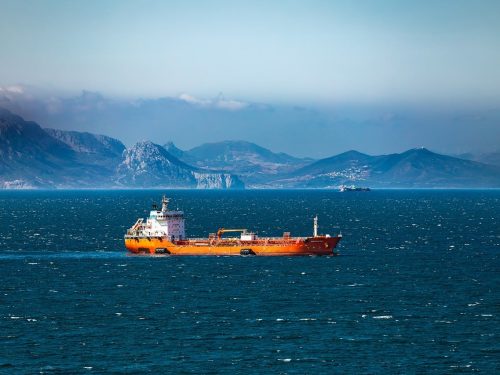
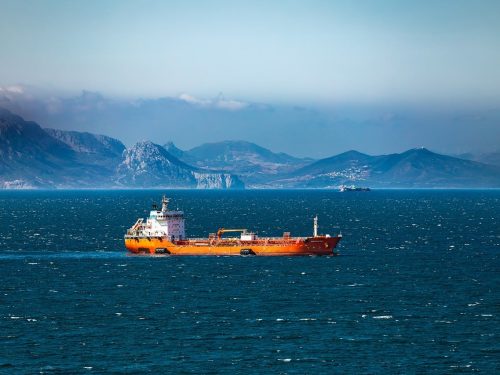
Furthermore, these escalating US Iran geopolitical tensions could threaten vital global shipping lanes. The Strait of Hormuz is a key passage for a massive portion of the world’s daily oil supply. If this area becomes unsafe for commercial ships, oil prices could spike, causing a ripple effect throughout the entire global economy. Therefore, a political breakdown in this region is never just a local issue.
Market Impact
Political unrest often forces investors to rethink their financial strategies. In times of military conflict, traditional assets like stocks and corporate bonds can become very volatile. Consequently, many investors quickly turn to defensive assets to protect their wealth.
During such crises, safe-haven gold usually experiences a boost in demand. This is because precious metals hold their value even when paper currencies and stock markets struggle. If these intense US Iran geopolitical tensions continue to rise, we may see a significant push into physical gold and silver. Commodity markets are already showing signs of nervousness, with gold futures trending upward as traders seek safety.
What Investors Are Watching
Market participants are monitoring several key indicators to gauge the direction of the global economy. First, they are watching for any signs of further military action or retaliatory strikes in the Middle East. Any escalation could trigger sudden market moves.
Second, traders are keeping a close eye on the energy sector. Crude oil prices are highly sensitive to geopolitical news in this region. Finally, investors will watch whether other global powers, such as European nations or Asian trade partners, step in to calm the rising US Iran geopolitical tensions. Diplomatic intervention could restore calm, while silence might signal further trouble ahead.
- Military Retaliation: Any new drone or missile strikes could instantly disrupt local markets.
- Energy Prices: Rising crude oil prices often lead to higher inflation worldwide.
- Safe Haven Flows: Increased buying of gold and treasury bonds indicates high investor anxiety.
- Diplomatic Talks: Any signs of a new ceasefire could quickly reverse market fears.
Conclusion
The war of words between Iran and the United States has once again shaken global market confidence. With treaties failing and military actions resuming, the path ahead remains highly uncertain. Investors must stay alert and prepared for sudden market shifts. Historically, periods of intense political friction remind us of the value of diversifying with hard assets. Monitoring these developments closely will be crucial for protecting investment portfolios in the coming weeks.
Frequently Asked Questions
Why did Iran’s Supreme Leader call Trump’s signature worthless?
Mojtaba Khamenei claimed that repeated U.S. breaches of their signed agreement proved that American diplomatic commitments cannot be trusted.
How do these tensions affect the price of gold?
Political conflicts usually increase the demand for safe-haven gold as investors look for secure places to store their wealth during times of war fears.
What is the Strait of Hormuz and why is it important?
It is a narrow waterway in the Middle East through which a large portion of the world’s petroleum passes. Disruptions there can cause global energy crises.
Is a war between the US and Iran certain to happen?
No, a full-scale war is not certain. However, recent military strikes and the breakdown of the ceasefire have made the situation highly volatile and unpredictable.