
Tensions in the Middle East have taken a dangerous turn as of July 2026. The United States has launched fresh military strikes against Iranian forces in the region. This action followed a deadly drone and missile strike that killed two American service members. The sudden rise in violence is raising worries about the Middle East conflict impact on global economies and security.
What Happened
The conflict escalated quickly after an attack in Jordan on Friday. A missile and drone strike killed two US troops and wounded four others, while one remained missing. This raised the US military death toll to 16 since the wider conflict began on February 28.
Tehran responded by officially cancelling a 60-day ceasefire agreement signed last month. This deal was meant to allow peace talks regarding the Strait of Hormuz and Iran’s nuclear program. Supreme Leader Mojtaba Khamenei accused Washington of violating the agreement.
Instead of peace, the conflict has widened. Strikes have damaged ports, bridges, water plants, and power systems. Iranian officials reported that 50 people have been killed and over 500 injured since late June. Meanwhile, nearby countries like Kuwait, Jordan, and Qatar have also experienced attacks, causing widespread disruptions.
Why It Matters
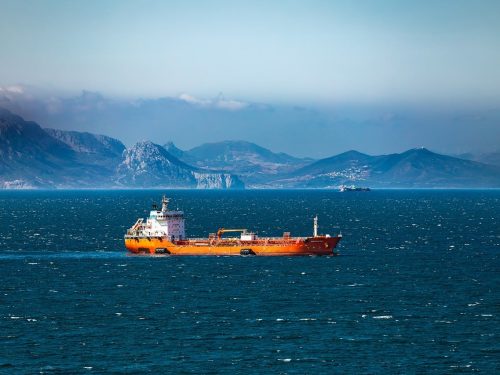
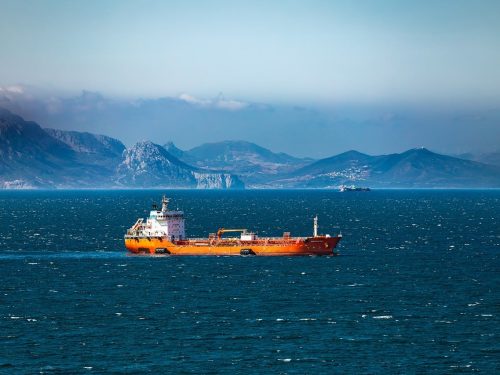
The Middle East is one of the most important energy corridors in the world. The Strait of Hormuz is a narrow waterway where much of the world’s oil travels. Any disruption there can cause major trouble for global energy supplies and shipping lanes.
Understanding the Middle East conflict impact explains why energy costs rise during wars. When shipping lanes are threatened, tankers must take longer, more expensive routes. This can cause fuel prices to go up for consumers. Iran still insists that commercial vessels must obtain permission to enter the Strait of Hormuz.
Furthermore, the US State Department has warned citizens to avoid traveling through the Middle East. Flights are being disrupted as airports and airlines change their routes for safety. For example, Kuwait Airways had to reschedule many flights after local infrastructure was damaged. This shows how quickly regional military actions can affect global travel and business.
Market Impact
The financial markets reacted quickly to the news of the strikes. The immediate Middle East conflict impact was felt across global stock and commodity markets. Oil prices jumped sharply, with Brent crude rising over 4.5% to reach around $88 per barrel. West Texas Intermediate crude oil also moved higher as supply worries grew.
At the same time, major stock indexes fell. Investors became nervous about the risks of a wider war. The Dow Jones and S&P 500 both traded lower as uncertainty gripped Wall Street. When stock prices drop, many people look for safer places to store their wealth.
This fear pushed precious metals higher. Gold futures rose as investors searched for protection against inflation and political chaos. During scary times, investors often put their money into safe haven assets like gold and silver to protect their portfolios. Silver futures also showed steady movement as tangible assets gained appeal.
What Investors Are Watching
Market analysts are keeping a close eye on several key developments. First, they want to see if the Strait of Hormuz will remain open. If Iran blocks this shipping lane completely, oil prices could spike even higher. This would put immense pressure on global supply chains.
Analysts are studying the Middle East conflict impact on shipping costs and global trade. If shipping rates rise, it could lead to higher inflation in many countries. The United States has also resumed its blockade of Iranian ports and withdrawn oil export sanctions waivers, which could tighten energy supplies further.
Finally, international reactions will be very important. The US is reportedly sending more refuelling aircraft to Israel, which could signal longer-range military operations. Meanwhile, countries like China and Pakistan are calling for peace. They want both the US and Iran to stop the attacks and return to negotiations before the crisis spreads.
Conclusion
The recent US strikes on Iranian targets mark a serious moment in global politics. With the temporary peace agreement cancelled, tensions are higher than they have been in months. The situation remains highly uncertain and could change quickly as military actions continue.
As the violence escalates, the effects are spreading far beyond the battlefield. From higher oil prices to rising gold markets, the entire global economy is feeling the pressure. Investors must stay alert and monitor these events closely as this geopolitical crisis continues to unfold.
Frequently Asked Questions
Why did the US launch military strikes against Iran-backed targets?
The US launched the strikes after a missile and drone attack in Jordan killed two American troops and injured four others. The US targeted these forces to stop them from threatening commercial shipping lanes.
What was Iran’s response to the US strikes?
Iran cancelled a 60-day ceasefire agreement that was signed last month. Iranian leaders also warned that the US would face severe consequences for the attacks.
How did the stock and oil markets react to this event?
Oil prices jumped by over 4.5% because of fears of energy supply disruptions. On the other hand, major stock markets fell as investors worried about the threat of a wider war.
Why do precious metals like gold rise during these conflicts?
Gold is considered a safe haven asset. When global tensions rise and stock markets drop, investors buy gold to protect their wealth from economic uncertainty.