As of the current market session in late July 2026, global trade routes are facing a serious test. Shipping activity in one of the world’s most critical maritime pathways has slowed down significantly. Recent data reveals that Strait of Hormuz shipping has reached new lows as security concerns continue to grow. With geopolitical tensions rising, international shipping companies are choosing safer, longer routes to protect their crews and cargo.
What Happened
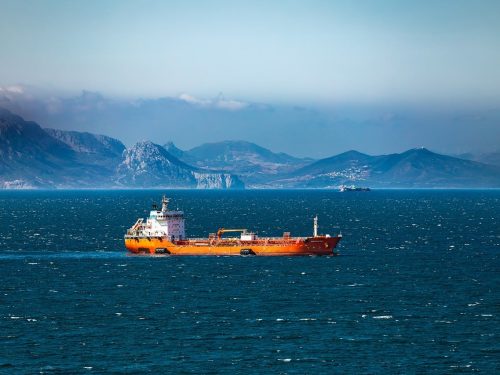
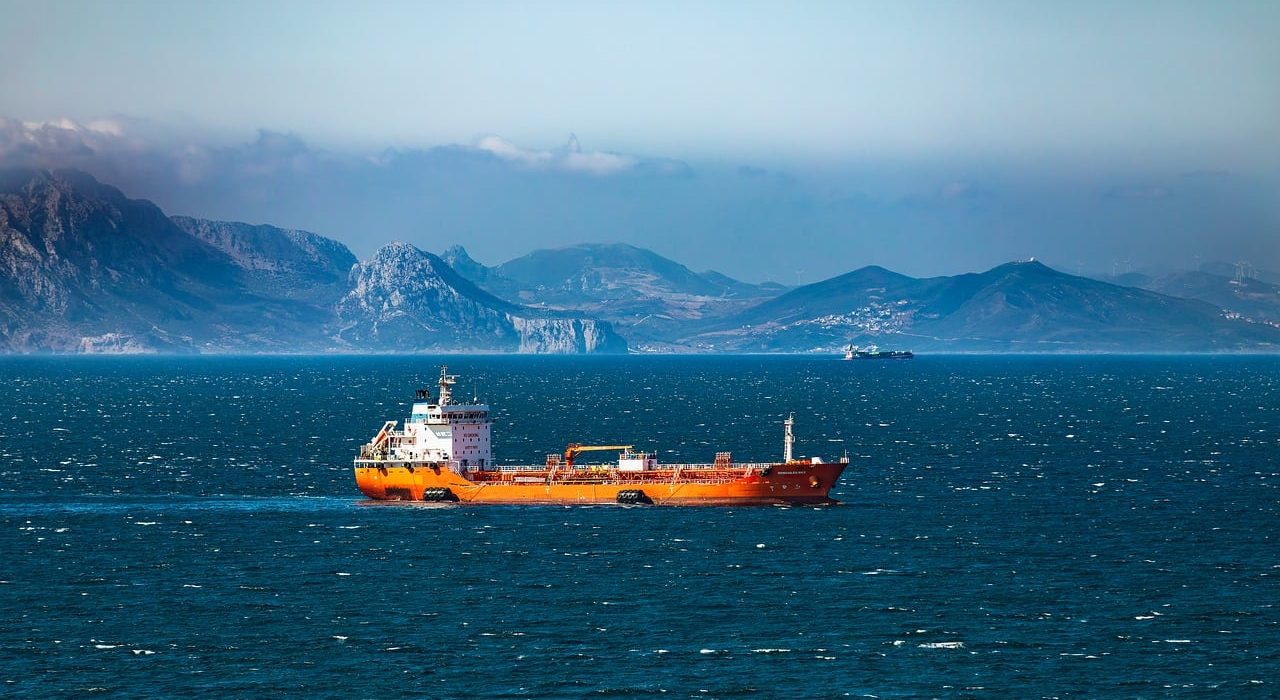
Shipping data from tracking firm Kpler shows a clear decline in traffic. On Tuesday, only three commodity vessels crossed the narrow strait, which is down from four vessels the day before. The ships that did cross included a general cargo vessel and a dry bulk carrier. Shockingly, not a single very large crude carrier or liquefied natural gas tanker passed through the strait on that day.
At the same time, military activity in the region has intensified. The United States military confirmed it launched airstrikes against Iran-backed targets for the eleventh night in a row. Meanwhile, in the Red Sea, two oil tankers carrying Saudi Arabian crude oil to Asia suddenly turned around. They reversed course after receiving threats from Houthi forces in Yemen. These events suggest that the conflict is spreading to multiple major shipping channels.
Why It Matters
To understand why this slowdown is a big deal, we have to look at global geography. The Strait of Hormuz and the Bab el-Mandeb strait are known as maritime chokepoints. They are narrow channels of water that connect major seas.
A massive portion of the world’s energy supply must pass through these narrow gates. When Strait of Hormuz shipping slows down, it acts like a traffic jam on a major highway. If ships cannot pass safely, the delivery of oil, gas, and everyday goods gets delayed. This can cause shortages and drive up the cost of shipping worldwide.
Market Impact
The immediate impact of these shipping disruptions is felt in the energy markets. When supply routes are threatened, investors worry about future shortages. This fear usually pushes crude oil prices higher.
For example, oil futures gained ground as news of the ship detours spread. If the tension continues, businesses may face higher fuel costs, which could lead to inflation. Furthermore, precious metals like gold often see increased demand during times of war and political instability. Investors buy gold because it is a safe asset when paper currencies and stock markets feel risky.
What Investors Are Watching
Market experts are keeping a close eye on several key factors over the coming weeks. First, they are watching the daily ship counts. Any further drop in Strait of Hormuz shipping will signal deeper trouble.
Second, investors are tracking insurance rates for cargo ships. When danger increases, insurance companies charge much higher fees to cover vessels entering these risky zones. Finally, the global community is watching for any signs of peace talks or, conversely, further military escalation. A wider conflict could lock down these trade routes for a longer period.
Conclusion
The recent drop in vessel crossings shows that geopolitical risks are actively reshaping global trade. While the situation remains highly uncertain, the threat to energy corridors is very real. Investors must stay alert as these shipping bottlenecks continue to influence energy markets and global economic stability.
Frequently Asked Questions
What is the Strait of Hormuz?
The Strait of Hormuz is a narrow waterway that connects the Persian Gulf with the Gulf of Oman and the Arabian Sea. It is one of the most important shipping lanes in the world for oil transport.
Why has Strait of Hormuz shipping declined recently?
Shipping has declined due to rising security concerns, ongoing military strikes, and threats to commercial vessels from regional conflicts.
How do these tensions affect crude oil prices?
When key shipping routes are threatened, investors fear supply shortages. This anxiety typically causes global crude oil prices to rise.
What other shipping routes are facing problems?
The Bab el-Mandeb strait in the Red Sea is also facing major disruptions as ships detour to avoid threats from Houthi forces in Yemen.