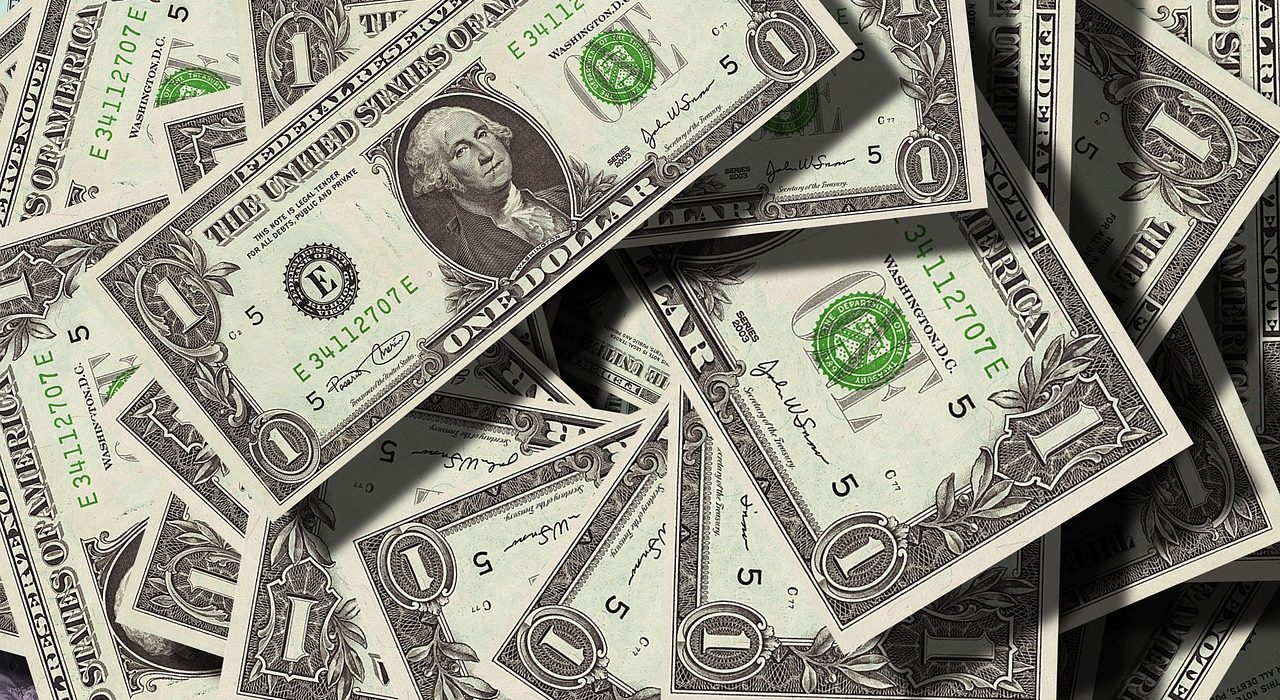
The global financial market is keeping a close eye on the US central bank as of July 2026. Investors are trying to predict how policy changes will impact the value of their money. Recently, Deutsche Bank shared an unexpected warning. They believe that a specific strategy by the Federal Reserve could cause the US dollar to lose its strength.
What Happened
The Federal Reserve has recently taken a more hawkish stance under its new leader, Kevin Warsh. The central bank is committed to maintaining price stability across the country. Typically, the Fed raises interest rates to combat inflation. However, they can also use another tool called monetary policy tightening.
This method involves shrinking the amount of money circulating in the financial system. During past economic crises, the Fed purchased trillions of dollars in government bonds. This action caused its balance sheet to swell to nearly $9 trillion. Now, the bank is letting those bonds mature without buying new ones. This process is a Fed balance sheet reduction, which has already brought the total down to about $6.7 trillion.
Deutsche Bank analysed what might happen if the Fed focuses more on this reduction instead of raising interest rates. Their global head of FX research, George Saravelos, explained that this shift could be highly bearish for the greenback.
Why It Matters
Understanding this issue is vital because the strength of the US dollar affects global commerce. When the dollar is strong, imports are cheaper, and overseas travel costs less for Americans. Conversely, a weak dollar can increase the cost of everyday goods.
To explain this outcome, Deutsche Bank looked at Japan’s recent actions. The Bank of Japan has been aggressively shrinking its own balance sheet. However, they did not raise their main interest rates. Because they did not raise rates, the Japanese yen did not strengthen. Instead, the yen plummeted to a forty-year low against the dollar.
If the US Fed chooses a similar path, the dollar could experience the same decline. Investors usually want higher interest yields before they buy a currency. A Fed balance sheet reduction on its own does not provide those higher yields. Therefore, it might fail to support the dollar’s value.
Market Impact
A weaker US dollar would quickly shake up global markets. For example, precious metals like gold often rise in value when the dollar falls. This happens because a weaker currency makes commodities cheaper for buyers holding other currencies.
Furthermore, this policy could create disagreement between the Fed and the US government. The government needs to borrow money by selling bonds. If the Fed is shrinking its balance sheet, it is no longer buying these bonds. This situation can drive up long-term bond yields, making government borrowing more expensive.
This friction can make international investors highly uneasy. When investors are nervous, they often sell their US assets, which puts more downward pressure on the dollar index.
What Investors Are Watching
Market participants are watching the Fed’s next steps very closely. They want to see if policymakers will follow through with interest rate hikes or rely solely on quantitative tightening. Currently, several Fed officials still expect at least one rate increase this year.
If the Fed raises rates, the dollar may remain steady. However, if they focus heavily on a Fed balance sheet reduction, the dollar could begin to weaken. Investors must also monitor the bond market for any shifts in yields. Finally, global inflation reports will dictate how quickly the Fed must act in the coming months.
Conclusion
The Federal Reserve faces a delicate balancing act to keep the economy healthy. While reducing the money supply helps curb inflation, doing so without raising rates carries risks. As Deutsche Bank warns, this strategy could unintentionally hurt the US dollar. Investors should watch these policy decisions carefully to protect their portfolios from sudden currency swings.
Frequently Asked Questions
What is a Fed balance sheet reduction?
It is a process where the Federal Reserve reduces its holdings of financial assets, like government bonds. By letting these bonds mature without replacing them, the Fed decreases the total amount of money in the financial system.
Why is a balance sheet reduction bearish for the dollar?
If the Fed shrinks its balance sheet instead of raising interest rates, it does not offer higher yields to investors. Without higher yields, global investors have less incentive to buy the dollar, which can cause its value to fall.
How did Japan’s experience prove this theory?
The Bank of Japan shrank its balance sheet rapidly but kept interest rates very low. Because there were no higher yields, the Japanese yen fell to a forty-year low despite the reduction in money supply.
How does a weaker dollar affect everyday consumers?
A weaker US dollar can make imported goods and overseas travel more expensive for American citizens. However, it can help US exporters by making American products cheaper for overseas buyers.