
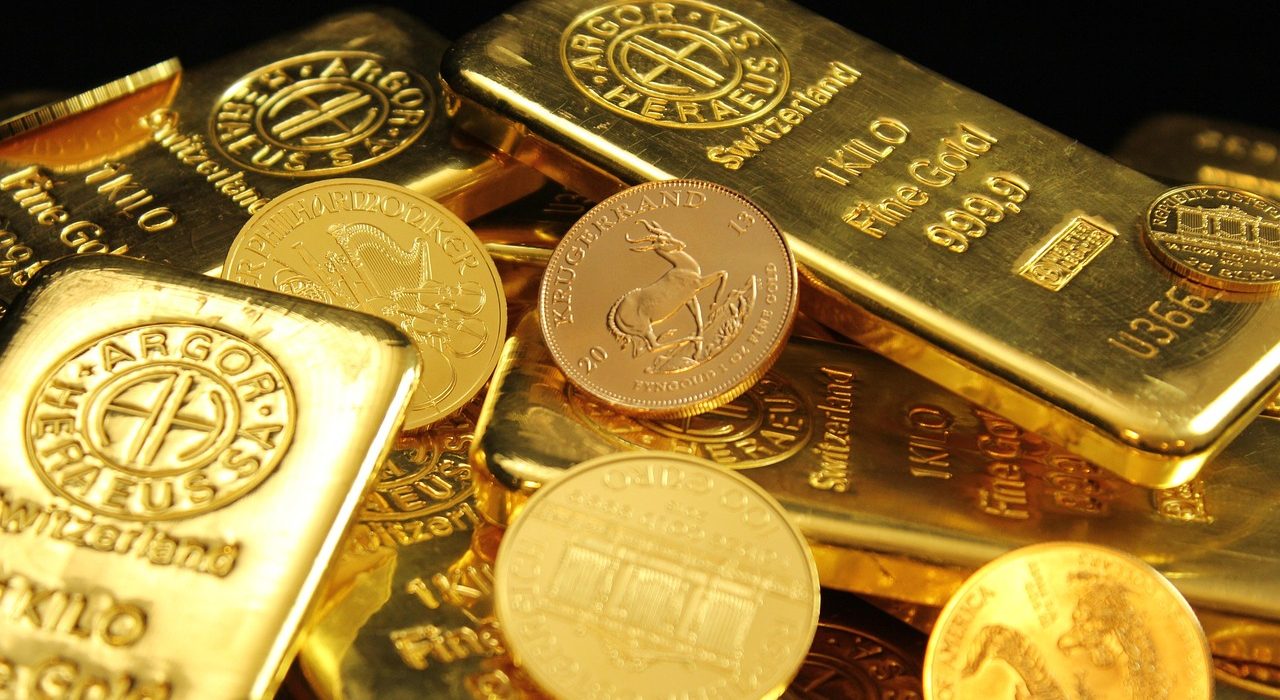
Gold investors are facing a bumpy ride. As of the recent July 2026 market sessions, the yellow metal has experienced some intense selling pressure. Many people are wondering if this is a great buying opportunity or the start of a much bigger slide. Specifically, investors are asking if the current gold price correction is finally over or if more drops are coming. After reaching incredible highs earlier in the year, the metal has struggled to find its footing. Let’s look at the factors driving these moves in the precious metals market.
What Happened
Not long ago, gold was the superstar of the financial world. On January 30, it hit an all-time record high of $5,450 per ounce. Investors felt very safe holding gold due to global tensions. However, things changed quickly over the next few months.
Recently, the spot gold price fell to an eight-month low of $3,942 per ounce. This represented a massive drop of more than 27% from its peak. June was particularly brutal for metal holders, as gold lost 12% of its value in that single month. This steep decline left many analysts surprised, marking a significant gold price correction from its peaks. Fortunately, a slightly weaker US jobs report on July 3 helped the metal bounce back slightly from its lowest point. Still, the market remains on high alert.
Why It Matters
So, why did the price drop so fast? Two main factors caused this change. First, a conflict in the Middle East disrupted energy supplies. This disruption caused oil prices to rise, which made people worry about inflation starting up again.
Second, the Federal Reserve changed its plans. The new leader of the Fed, Kevin Warsh, took a very hawkish stance. This means he wants to keep interest rates high to fight inflation. When interest rates are high, government bonds and savings accounts pay more yield. Since gold pays no interest or dividends, holding it becomes less attractive when rates rise. Therefore, this sharp gold price correction has shaken investor confidence as the cost of holding gold went up.
Market Impact
The fall in gold prices has sent waves through the global financial markets. Major banks have had to adjust their expectations. For example, HSBC lowered its forecast for gold. However, the bank is not completely pessimistic. They still predict gold could reach $4,560 by the end of the year. That would be a nice move up from current levels.
Furthermore, we must look at how this gold price correction affects other assets like silver and currencies. The US Dollar has gained strength because of the higher interest rates. Meanwhile, physical gold demand is shifting. While high prices hurt jewelry buying in Asia, institutional buyers are still interested. For instance, Hong Kong is looking into letting pension funds invest in gold ETFs. This could bring a lot of new money into the market soon.
What Investors Are Watching
Now, gold traders are looking for clues about where the market goes next. The most important factor is the Federal Reserve. Investors will closely read the minutes from the Fed’s latest meeting. They want to see if the central bank will keep raising rates or if they might pause.
Another key area is central bank buying. For the last few years, central banks bought huge amounts of gold. They bought over 1,100 tonnes per year from 2022 to 2024. While they are buying a bit less now, they still purchase a lot of metal. This buying acts like a safety net, keeping prices from falling too far. Investors will watch to see if these central banks continue to support the market.
Conclusion
In conclusion, the gold market is at a very important crossroads. The drop from $5,450 to $3,942 was quick and painful for many. However, the structural reasons for owning gold have not disappeared. Central banks are still buying, and global tensions remain high.
While the recent gold price correction has been painful, many experts believe the long-term upward trend is still alive. Investors should watch the Federal Reserve and inflation data closely in the coming weeks to see where the next big move will be.
Frequently Asked Questions
Why did gold prices drop so quickly?
Gold prices dropped because the Federal Reserve hinted at keeping interest rates high. Additionally, rising energy prices raised inflation fears, which made the Fed take a more aggressive stance.
What was gold’s lowest price recently?
Gold touched an eight-month low of $3,942 per ounce on June 30, dropping from its high of $5,450.
Are central banks still buying gold?
Yes, central banks are still buying gold, though at a slower pace than before. Their continued buying helps create a price floor for the metal.
How do higher interest rates affect gold?
High interest rates make gold less attractive because gold does not pay any interest. Investors prefer to put money into assets that earn yields when interest rates are high.